Used Ford vs Used RAM – Truck Guide in Denver, CO
Used Ford vs Used RAM – Truck Guide in Denver, CO
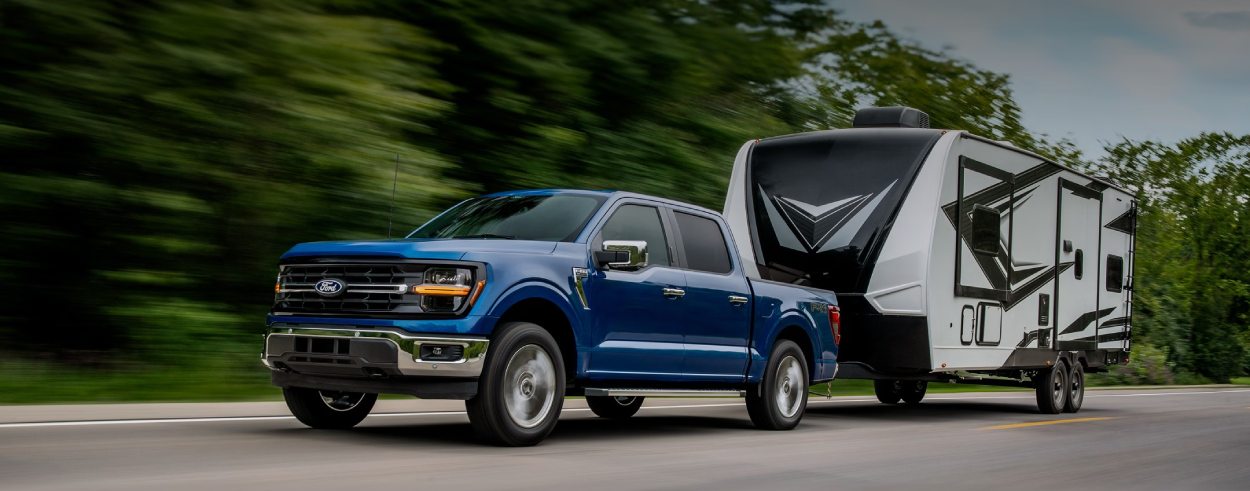
If you are weighing a used Ford truck against a used RAM, you are already on the right track — both lineups have deep roots in capability, comfort, and value that suit Colorado’s mix of snow, sun, and steep grades. Our goal is to help you match strengths to your daily routes, weekend towing, and jobsite needs while keeping ownership practical over time. Ford’s F-150 and Super Duty families are renowned for broad engine choice, high payload ratings, and massive dealer support. RAM 1500 and Heavy Duty models excel in ride comfort, upscale cabins, and confident HEMI power. At altitude, both brands deliver real-world torque for I-70 climbs and foothill detours, and modern 4WD systems make winter traction predictable. As a local resource, we look beyond spec sheets to include visibility in snow, bed access with gloves on, and tech that stays intuitive when roads get busy. Our team’s Colorado-first perspective means you will find guidance on tire fitment, brake performance on descents, and cold-start behavior that matters on subfreezing mornings. With the right prep and a careful test-drive, either a used Ford or used RAM can fit seamlessly into your routine while leaving headroom for work, trailering, and mountain escapes.
Engines, Towing, and Ride: Key Differences
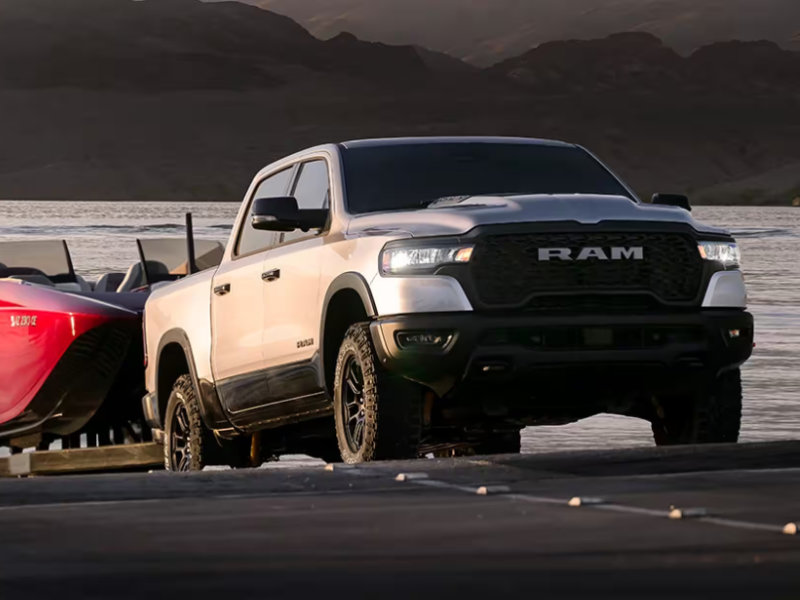
- Powertrains: Ford offers EcoBoost turbo V6, Coyote V8, and Power Stroke diesels; RAM leans on HEMI V8, eTorque mild-hybrid, and Cummins diesels.
- Towing and payload: F-150 and Super Duty often top charts; RAM 1500 and HD compete closely with strong real-world torque.
- Ride comfort: RAM 1500’s coil-spring or optional air suspension smooths broken pavement; Ford tunes balance handling with control.
- Transmissions: Ford’s 10-speed favors efficiency and response; RAM pairs 8-speed automatics or heavy-duty units with Cummins.
- Cab and bed options: Both offer Regular, extended, and crew cabs with multiple bed lengths and clever bed-utility solutions.
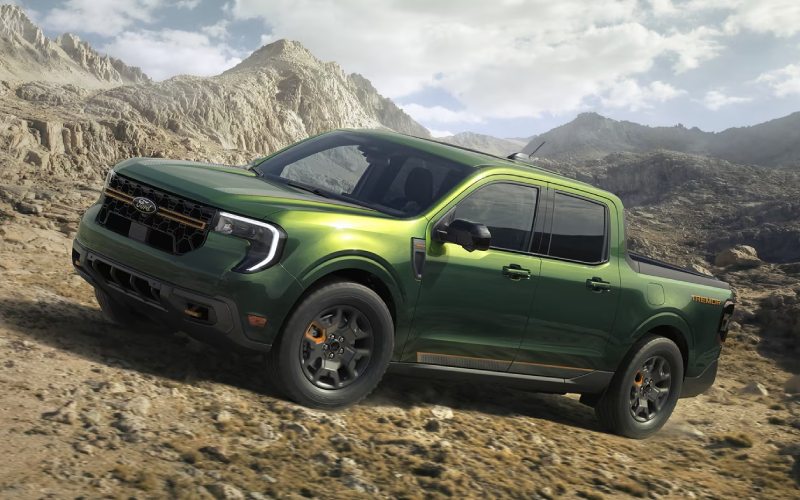
On Colorado highways and canyon roads, usable torque and gearing matter more than brochure peak horsepower. Ford’s EcoBoost engines deliver early torque that helps when merging uphill, while RAM’s HEMI V8 and available eTorque add smooth, confident pull off the line. For serious towing, both brands’ heavy-duty diesels handle long grades with cooler EGTs and less downshifting. If ride comfort is high on your list, RAM 1500’s suspension can soften frost heaves and construction joints. Ford counters with precise steering feel that inspires confidence when the truck is loaded. Cab choices are plentiful across both lineups, allowing you to prioritize rear-seat space, bed length, or maneuverability for city parking and tight job sites. The right match starts with the weight of your trailer, typical passengers, and how much you value daily ride plushness versus maximum tow numbers.
Ownership Costs, Reliability, and Colorado Practicalities
Long-term value is built on service access, part availability, and how the truck handles altitude and climate. Ford’s F-150 and Super Duty families benefit from a vast service network and widely available parts, which can shorten downtime. RAM 1500 and HD models reward owners with refined cabins and durable drivetrains — the 5.7L HEMI has a strong track record, and the Cummins inline-six is respected for longevity when maintained well. Turbocharged Ford EcoBoost engines deliver strong torque in thin air but deserve timely oil and cooling-system care; HEMI V8s shine with consistent throttle response and straightforward maintenance. Cold mornings in Denver challenge batteries, fluids, and sensors, so a pre-winter check on coolant mix, tire tread depth, and brake pad life is smart regardless of brand.
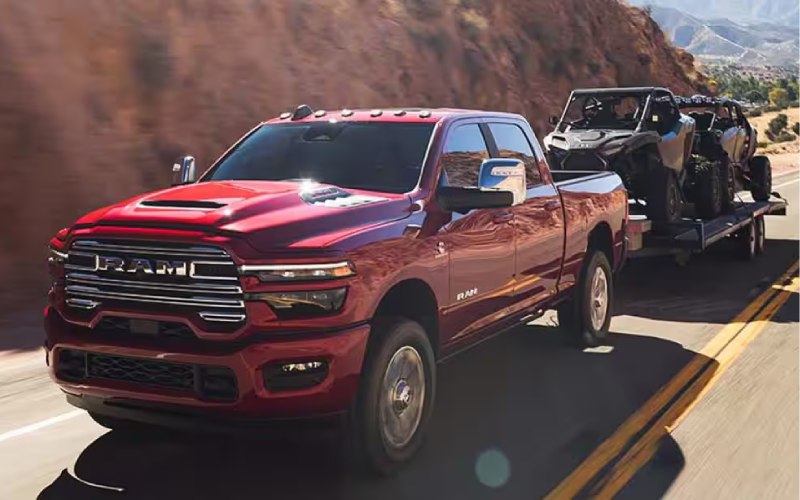
Cabin tech also shapes ownership. Ford’s SYNC and RAM’s Uconnect systems are both intuitive and robust in older model years, supporting navigation and smartphone connectivity for storm reroutes and mountain-day trips. Resale values remain healthy for popular trims with clean histories and service records, making careful documentation worthwhile. Our team at GoJo Auto emphasizes inspection transparency and education to help you forecast maintenance and plan confidently in Denver, CO. Whether you prioritize an efficient EcoBoost or a rumbling HEMI, the right maintenance plan will keep your truck ready for school runs, ski weekends, and jobsite hauling.
Match the Truck to the Use-Case
- Work-first hauling: Choose Ford Super Duty or RAM 2500/3500 when payload, towing stability, and exhaust brake control dominate your needs.
- Daily drive plus weekend trailer: Ford F-150 EcoBoost or RAM 1500 HEMI balances comfort, towing in the 6,000-9,000 lb range, and maneuverability.
- Off-road and winter: Look for 4WD, all-terrain tires, skid plates, and rear locking diffs — Ford FX4/Tremor or RAM Rebel/Backcountry packages.
- City-priority convenience: Shorter beds, front/rear parking sensors, 360-view cameras, and power tailgates ease tight lots and parallel spaces.

Matching a truck to your routine starts with an honest weight estimate for trailers and cargo, plus a look at parking realities and weather. If you commute across the Tech Center and head up US-285 on weekends, a half-ton with driver-assistance tech can reduce fatigue while still towing a modest camper. If your schedule leans to jobsite material runs and frequent I-70 climbs, a heavy-duty diesel from either brand can pay dividends in exhaust-brake control and transmission cooling. Residents splitting time between Aurora errands and projects on the west side of Lakewood often prefer crew cabs for family space paired with spray-in liners and integrated tie-downs for flexibility. Our team helps you right-size gear — from snow-rated tires to brake upgrades — so your truck remains composed, capable, and genuinely easy to live with in Denver, CO.
FAQ
Which is better for towing in the Rockies — used Ford or used RAM?
Both excel when configured properly. Ford often leads on maximum ratings, while RAM brings strong real-world torque and comfortable chassis tuning. Match engine, axle ratio, cooling, and brake hardware to your trailer weight and altitude plans.
How does altitude affect gas and diesel performance?
Turbocharged gas and diesel engines maintain power more effectively at elevation. Ford EcoBoost and RAM Cummins diesels handle thin air well; naturally aspirated V8s remain capable but can feel softer at high passes without proper gearing.
Is 4WD necessary for Front Range winters?
It is strongly recommended. 4WD, snow-rated tires, and stability control make icy commutes and ski weekends safer. Consider features like a locking rear differential, hill descent control, and heated mirrors for storm days.
What should I check on a test-drive for a used truck?
Listen for cold-start noises, verify smooth shifts under load, test 4WD engagement, check brake feel on descents, and confirm hitch wiring and trailer brake controller operation. Review service records and tire age before finalizing.
Your Next Step: Test-Drive Confidence and Local Know-How
Choosing between a used Ford and a used RAM is about clarity — defining your towing needs, daily comfort priorities, and the winter-readiness features that add confidence on slick mornings. Our approach blends transparent information with Colorado-specific guidance, from verifying axle ratios for mountain towing to evaluating tire compounds that stay pliable in the cold. Founded in 2018 by Amanda Gordon, our team has focused on representation, education, and community impact, pairing a carefully curated selection with financial literacy workshops that make ownership planning straightforward. We are ready to help you compare ride quality, bed utility, and cabin tech side by side, and to tailor maintenance suggestions that support longer brake life and stable downhill control.
When you are ready, schedule a focused test-drive route that includes highway merges, stop-and-go segments, and a grade to simulate mountain travel. Bring your questions about EcoBoost versus HEMI, integrated trailer brake controllers, differential types, and camera systems for hitching. With hands-on evaluation and a clear plan, you will feel the difference quickly. Visit our showroom and let GoJo Auto guide you from first walkaround to final handshake — with practical, local insight that keeps your next truck working as hard as your week demands and remaining comfortable for the miles in between.