Used Chevrolet vs Used Ford — A Smart, Local Guide in Denver, CO
Used Chevrolet vs Used Ford — A Smart, Local Guide in Denver, CO
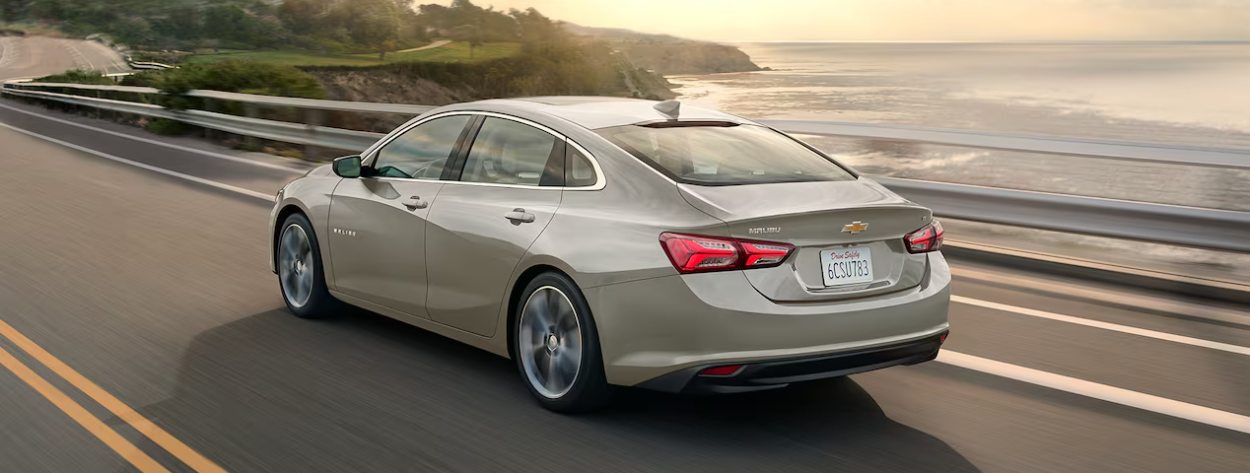
Choosing between a used Chevrolet and a used Ford comes down to matching proven strengths to Colorado driving. Daily commutes, sudden snow, and weekend getaways into the foothills ask a lot from a vehicle, and both brands bring deep benches of sedans, crossovers, SUVs, and trucks that fit life in Denver’s changeable climate. At GoJo Auto, we support an informed, side-by-side comparison that looks past badges to the features that matter most on real roads in Denver, CO. Chevrolet models often emphasize quiet cabins, intuitive infotainment, and smooth, efficient powertrains. Ford vehicles frequently lean into confident chassis tuning, robust towing technologies, and wide availability of driver-assist suites across trims. Both lineups include all-wheel drive and four-wheel drive choices, heated seats for cold mornings, third-row seating for growing families, and active safety features to ease winter traffic. Our curated inventory highlights the combinations local drivers ask for most, such as AWD crossovers with remote start, trucks with 4WD and integrated trailer aids, and compact cars with excellent fuel economy for I-25 or surface-street commutes. As a dealership founded in 2018 with a mission rooted in representation, education, and community impact, we guide every customer through a transparent, step-by-step process that turns this comparison into confidence. The result is a vehicle that feels right on test drive day and continues to deliver trust on the first big storm of the season, the first weekend run up to the trailhead, and every errand in between.
Chevrolet and Ford Strengths at a Glance
- Powertrains: Chevrolet small-block and turbo engines meet Ford EcoBoost and hybrid options, all tuned for altitude-friendly torque.
- Capability: Factory AWD and 4WD systems, selectable drive modes, and trailering packages appear across SUVs and trucks from both brands.
- Efficiency: Modern transmissions, cylinder management, and stop-start tech help keep fuel costs steadier year-round.
- Comfort and tech: Apple CarPlay, Android Auto, heated seats, and advanced driver-assist suites are widely available.
- Value retention: Silverado and F-150 trucks remain sought-after, while crossovers like Equinox and Escape draw steady interest.
- Maintenance access: Broad parts availability and familiar service routines simplify ownership in Colorado.

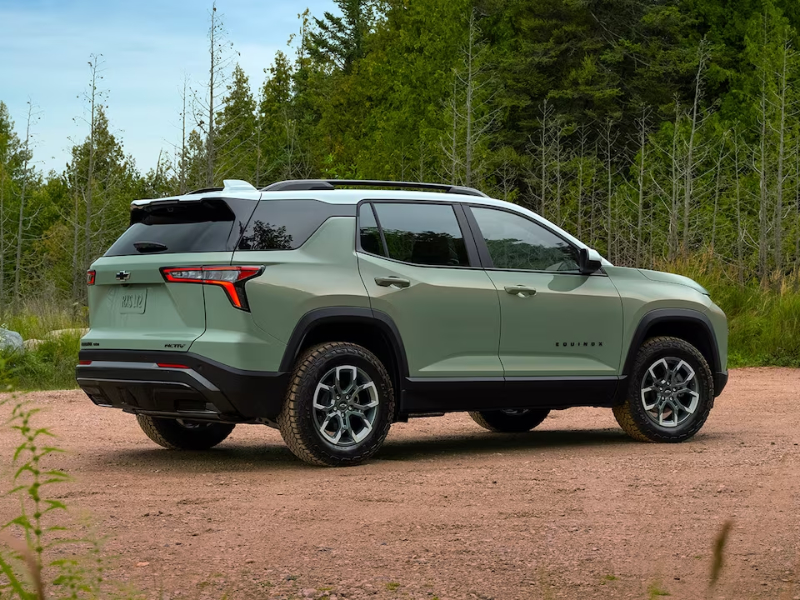
Beyond the headline features, the day-to-day feel matters. Chevrolet models often deliver a refined ride and clear cabin ergonomics, with infotainment interfaces that are quick to learn and easy to use. Ford vehicles frequently stand out for confident steering and chassis poise, especially in SUVs and trucks that encounter rutted alleyways or snow-packed neighborhoods. As you compare, think in terms of use cases: an Equinox or Escape for year-round commuting with weekend trailheads; a Tahoe or Expedition for larger families and gear; a Silverado 1500 or F-150 for workdays that roll into mountain adventures. Safety tech is a major win on both sides, with features like lane keeping, blind-spot alerts, and automatic emergency braking spread across many trims. Our role is to help clarify which combination of drivetrain, ground clearance, cargo flexibility, and technology fits your priorities. We structure the process with clear explanations of trim differences, service histories, and feature verification, so every checkbox — from remote start and heated steering wheels to trailer brake controllers and roof rails — matches how you drive, not just what looks good on paper.
Colorado Capability: Traction, Towing, and Everyday Driveability
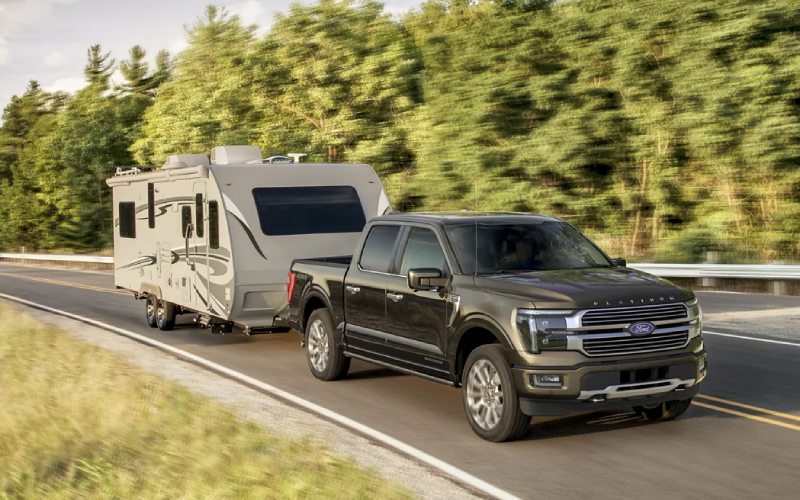
Altitude, grade, and weather shape vehicle choices across the Front Range. Both Chevrolet and Ford bring engines that handle thinner air well, with turbocharged options that preserve torque for on-ramps and mountain grades. All-wheel drive and four-wheel drive systems appear on popular SUVs and trucks from both brands, and traction or terrain modes help manage packed snow, gravel shoulders, and early-spring slush. Look for useful trailering aids like integrated trailer-brake controllers, hitch guidance or cameras, and tow/haul calibrations that improve stability on descents. Suspension tuning and tire choice influence confidence on frost-heaved streets and unplowed parking lots; we pay close attention to tire condition and winter-ready tread where appropriate. For braking assurance on long slopes, features like hill descent control or smart transmission downshifts add calm to those winter drives home. Daily life does not pause for weather, so cargo versatility — split-folding seats, low lift-over heights, underfloor storage — matters as much as torque. From weekday runs through Aurora to errand loops near Lakewood, conditions can change quickly across just a few miles. That is why our side-by-side test drives spotlight driveline engagement, visibility in flurries, heated feature performance, and how driver-assist alerts feel amid traffic. Whether you end up in a Chevrolet crossover or a Ford SUV, the right configuration will make cold starts simpler, grocery trips surer, and mountain mornings far more relaxed.
How We Help You Compare and Buy with Confidence
- Vehicle history: We review history reports, ownership patterns, mileage context, and maintenance markers for clarity.
- Multi-point checks: Our inspections prioritize brakes, tires, battery health, HVAC, 4WD engagement, and safety electronics.
- Test-drive routes: We plan routes that show stop-and-go manners, highway stability, and parking practicality.
- Feature verification: We confirm driver-assist operation, infotainment pairing, heated features, and trailer functions when equipped.
- Trade-in support: We streamline evaluations to help you compare net values across Chevrolet and Ford picks.
- Financing guidance: We align structure, terms, and protection options with your long-term usage and budget goals.
Comparison is easier when the process is calm and transparent. At GoJo Auto, our team explains trim ladders, option packages, and model-year updates so you see what changed and why it matters. We translate tech labels into plain language — for example, how a particular blind-spot system senses adjacent lanes or how a hitch-view camera can reduce the time it takes to line up a trailer in a snowy lot. Education is central to our mission, which is why we host workshops and partner with organizations such as Operation HOPE for financial literacy guidance. That support can help you decide whether a lightly used crossover with comprehensive driver assists fits better than a larger SUV with added towing hardware, or whether a half-ton truck matches your camping goals without exceeding your needs. We also map ownership factors, including seasonal tire strategies, routine maintenance schedules in Colorado’s dry climate, and how to protect interiors from mud and salt. With those details in hand, the Chevrolet vs Ford decision becomes clear — a set of practical trade-offs that match your routes, passengers, and plans.
FAQ
Which is better for winter driving, a used Chevrolet or a used Ford?
Both brands offer AWD and 4WD systems that handle snow confidently. Focus on tire condition, ground clearance, traction modes, and driver-assist availability on the specific model and trim you are considering.
What mileage range should I consider for Colorado driving?
Condition matters more than a single number. A well-documented vehicle with consistent maintenance can outperform a lower-mile option without records. Use service history, inspection results, and test-drive feel as primary filters.
How do trim levels compare between Chevrolet and Ford?
Each brand structures trims differently, but both typically scale up active safety, comfort features, and towing aids as trims rise. Review exact equipment on the vehicle in front of you rather than assuming based on a trim name alone in Denver, CO.
Can a midsize SUV tow a small camper?
Many midsize Chevrolet and Ford SUVs can tow light campers when properly equipped. Verify the tow rating, hitch class, cooling capacity, and trailer-brake compatibility for the model, engine, and drivetrain you choose.
Your Next Step: Compare Used Chevrolet and Ford with a Local Team You Can Trust
A confident choice comes from pairing needs with features, not from brand loyalty alone. Our role is to help you translate Colorado’s daily demands into the right configuration — from a compact commuter that makes winter mornings easier to a family SUV or truck ready for trailheads, gear, and towing plans. Founded in 2018, our dealership reflects a commitment to representation, education, and long-term customer support, including community partnerships that bring financial literacy to the car-buying journey. Test drives are structured to reveal how a vehicle responds in tight parking, broken pavement, and quick-changing weather. We also walk through ownership planning — seasonal tire strategies, routine maintenance, and simple protection habits that pay dividends in resale value. Whether a Chevrolet crossover with a quiet cabin and strong tech fit speaks to you, or a Ford truck with integrated trailering tools aligns better with weekend goals, our team will make the comparison clear and stress-free. Visit our showroom in Denver, CO to see how side-by-side evaluations, thoughtful guidance, and verified histories transform a big decision into an easy one. When you are ready to take the next step, our team at GoJo Auto will be here to welcome you, answer questions, and help you drive home with confidence.